Book of Astronomy 1st Edition: Introduction
$4.99
This downloadable PDF is the Introduction to the 1st Edition of the Book of Astronomy (65 slides).
You may also like…
Persian Nativities III: On Solar Revolutions
This third volume of the Persian Nativities series is a translation of the surviving Latin version of Abu Ma’shar’s On the Revolutions of the Years of Nativities. It covers all of the primary predictive techniques: profections, solar revolutions, distributions, transits, and firdaria.
Workshop: Elements of Solar Revolutions
This 2.5-hour workshop shows in great detail how to understand and combine several traditional techniques for analyzing a native's chart from year to year, using solar revolutions (solar returns), profections, and the direction of the Ascendant of the solar revolution. Length 2:34:55, 71MB.
Related Products
Bonatti on Basic Astrology
This volume contains Treatise 1-3 of Bonatti’s Book of Astronomy, which covers all areas of basic astrological principles and interpretation, as well as a defense of astrology. Click here for a PDF excerpt.
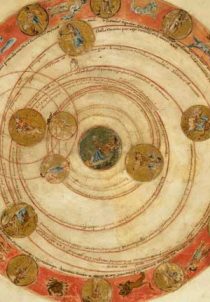
Introduction to Traditional Mundane Part 1
This presentation introduces traditional mundane astrology, beginning with Ptolemy’s method for interpreting and timing eclipses, prices and weather, and historical astrology: framing history into larger and smaller periods, especially using Saturn-Jupiter conjunctions. Length 1:16:09, 36MB.
Introductions to Traditional Astrology: Abu Ma’shar & al-Qabisi
Introductions to Traditional Astrology (ITA) is a joint translation of two classic introductory works: Abu Ma’shar’s Abbreviation of the Introduction to Astrology, and al-Qabisi’s Introduction to Astrology. It also includes numerous passages from Abu Ma’shar’s Great Introduction (never before published in English) and other medieval astrologers on interpretating traditional concepts. (425 pages)
Bonatti on Horary
One of the most thorough treatments of horary, drawing especially on the medieval masters Sahl b. Bishr and Masha’allah. Surprising predictive techniques combine elections, solar revolutions, and horary charts. Includes two charts from Bonatti’s own career. Learn whether your horse will win the race, your husband is cheating on you, or the king will fall from grace (278 pp)! Click here for a PDF excerpt.
Bonatti on Elections
A long treatise on elections, often drawing on ‘Ali al-‘Imrani, starting with a thorough discussion on how elections work and how to design them! Elections from all 12 houses, from when to elect surgery to when to make a journey (180 pp). Click here for a PDF excerpt.
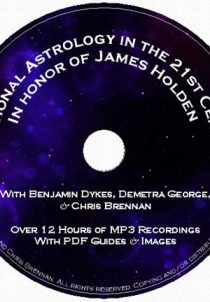
AFA 2011 Traditional Astrology Conference
In September 2011, the oldest American astrological association, the American Federation of Astrologers, hosted a three-day traditional astrology conference. Held in honor of James Holden's research into and historic translations of traditional texts, Benjamin Dykes, Demetra George, and Chris Brennan gave extensive presentations on numerous traditional concepts and techniques. Running at 13 hours of audio (375 MB), this audio download contains MP3 recordings of the proceedings, plus many PDF slides and study aids. See list of lectures below.

Logos & Light 2: The Presocratics
Volume 2 of the Logos & Light series introduces the “Presocratics,” Greek philosophers prior to Socrates who taught many things important for later astrology, religion, and philosophy, including Pythagoras, Heraclitus, and sacred geometry. See longer description below. Length: 11 hours, 606MB.
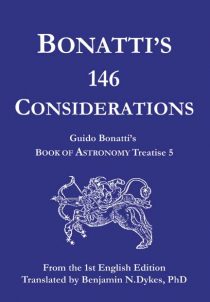
Bonatti’s 146 Considerations
The famous handbook of Considerations for judging charts retranslated. Coley’s paraphrased edition is superseded by this version, including key passages on the role of God and freedom in horary. (89 pp). Click here for a PDF excerpt.