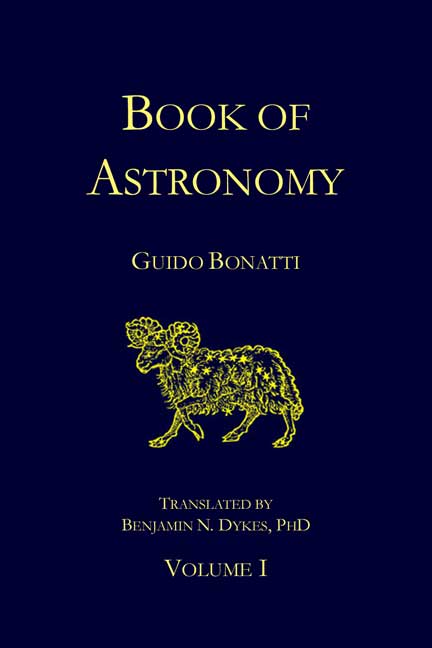
Book of Astronomy 1st Edition: Introduction
$4.99
This downloadable PDF is the Introduction to the 1st Edition of the Book of Astronomy (65 slides).
You may also like…
Persian Nativities III: On Solar Revolutions
This third volume of the Persian Nativities series is a translation of the surviving Latin version of Abu Ma’shar’s On the Revolutions of the Years of Nativities. It covers all of the primary predictive techniques: profections, solar revolutions, distributions, transits, and firdaria.
Workshop: Elements of Solar Revolutions
This 2.5-hour workshop shows in great detail how to understand and combine several traditional techniques for analyzing a native's chart from year to year, using solar revolutions (solar returns), profections, and the direction of the Ascendant of the solar revolution. Length 2:34:55, 71MB.
Related Products
Persian Nativities I: Masha’allah & Abu ‘Ali
This first volume of the Persian Nativities series contains a translation of The Book of Aristotle (thought to be by Masha’llah) and On the Judgments of Nativities by his follower, Abu ‘Ali al-Khayyat.
Preview the introduction here.
Astrology of the World I: The Ptolemaic Inheritance
Astrology of the World I: The Ptolemaic Inheritance presents numerous selections by Arabic and Latin authors on areas of mundane astrology inspired by Ptolemy’s Tetrabiblos. Many texts have been translated directly from Arabic by Benjamin Dykes. Authors include al-Kindi, ‘Umar al-Tabari, al-Rijal, Masha’allah, Abu Ma’shar, ibn Labban, Dorotheus, and ibn Ezra.
Astrological Prediction: A Handbook of Techniques
This new work by popular Turkish astrologer Öner Döşer embodies an important new trend in astrology: the harmonizing of traditional and modern techniques for contemporary astrologers. The traditional techniques here include: Ptolemy’s Ages of Man, triplicity periods, distributions or directions through the bounds, primary directions, profections, and firdaria. Contemporary techniques include secondary progressions, solar arcs, and transits. Click here for a PDF excerpt.

Choices & Inceptions: Traditional Electional Astrology
Medieval electional astrology in the tradition of Dorotheus
Choices & Inceptions presents numerous works on choosing auspicious times for actions, drawn from the most well-known medieval Persian and Arabic-language authors and compilers: al-Kindi, Sahl bin Bishr, Bethen, al-‘Imrani (Haly Embrany), and al-Rijal (Haly Abenragel). It is the largest collection of traditional electional texts available in modern languages.

The Forty Chapters of al-Kindi
The famous, “first” Arab philosopher, al-Kindi (ca. 801-870 AD) wrote many instructional letters and works on astrology and the universe. The Forty Chapters is on horary and electional astrology: answering questions and choosing auspicious times to act. It is the second volume in the horary trilogy, preceded by The Search of the Heart and followed by The Book of the Nine Judges.
Works of Sahl & Masha’allah
Sahl bin Bishr (Zahel) and Masha’allah were two of the most influential medieval astrologers from the Arabic period. In a new work of 618 pages, Dr. Benjamin Dykes translates 16 of their most important works–many of them for the first time in any modern language! This essential work in medieval astrology includes many charts and lengthy introductory remarks and explanations by the translator.
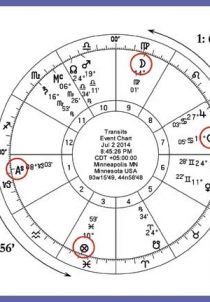
A Traditional Approach to Lots
This workshop presents rules and numerous example charts for 6 Lots (“Arabic Parts”) useful in natal interpretation: the Lots of the father, mother, children, marriage, friends, and work/action. No previous knowledge of Lots or allegiance to traditional methods is assumed. See longer description below. Contains: MP3 and slides. Length: 2:50:00, 78MB.
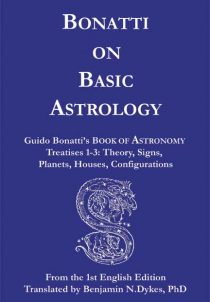
Bonatti on Basic Astrology
This volume contains Treatise 1-3 of Bonatti’s Book of Astronomy, which covers all areas of basic astrological principles and interpretation, as well as a defense of astrology. Click here for a PDF excerpt.