
FAA 2010 Interview: Translating the Tradition
$4.99
In this interview by Brian Clark, Dr. Dykes explains a bit about his background, what is important about traditional astrology, and its future. Length 38:10, 17MB. $4.99
You may also like…
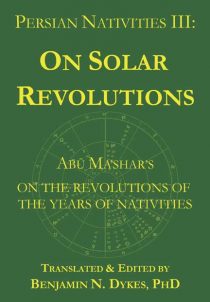
Persian Nativities III: On Solar Revolutions
This third volume of the Persian Nativities series is a translation of the surviving Latin version of Abu Ma’shar’s On the Revolutions of the Years of Nativities. It covers all of the primary predictive techniques: profections, solar revolutions, distributions, transits, and firdaria.
Workshop: Elements of Solar Revolutions
This 2.5-hour workshop shows in great detail how to understand and combine several traditional techniques for analyzing a native's chart from year to year, using solar revolutions (solar returns), profections, and the direction of the Ascendant of the solar revolution. Length 2:34:55, 71MB.
Related Products
Introduction to Traditional Mundane Part 1
This presentation introduces traditional mundane astrology, beginning with Ptolemy’s method for interpreting and timing eclipses, prices and weather, and historical astrology: framing history into larger and smaller periods, especially using Saturn-Jupiter conjunctions. Length 1:16:09, 36MB.
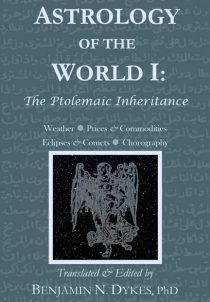
Astrology of the World I: The Ptolemaic Inheritance
Astrology of the World I: The Ptolemaic Inheritance presents numerous selections by Arabic and Latin authors on areas of mundane astrology inspired by Ptolemy’s Tetrabiblos. Many texts have been translated directly from Arabic by Benjamin Dykes. Authors include al-Kindi, ‘Umar al-Tabari, al-Rijal, Masha’allah, Abu Ma’shar, ibn Labban, Dorotheus, and ibn Ezra.
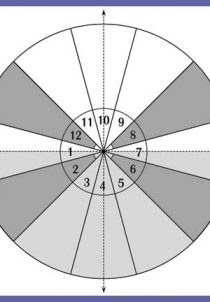
Two Special Configurations: Aversion and Decimation
This downloadable audio lecture describes two important configurations in traditional astrology, illustrating them with chart examples. See longer description below. Contains MP3 audio, slides, and a handout. (Length: 1:12:00, 33MB.)

Freedom, Ethics, Metaphysics: Philosophical Issues in Traditional Astrology
This lecture explores several views on what astrology is, what the universe could be like, and freedom of the will and determinism. Length 1:21:00, 37MB.
Astrology of the World II: Revolutions & History
Ingresses and conjunctional theory from the Persians
Astrology of the World II: Revolutions & History is the second in a trilogy of writings from medieval astrologers, focusing on astrological theories of history, mundane time lords and predictive techniques, Saturn-Jupiter conjunctions, and annual ingresses. Many texts have been translated directly from Arabic, and authors include Masha’allah, Abu Ma’shar, Sahl, ‘Umar al-Tabari and Kankah, al-Qabisi, and al-Rijal (Haly Abenragel).
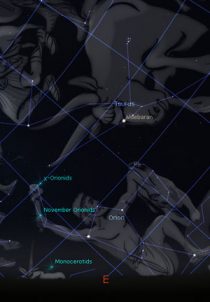
Ascensional Times: Theory and Practice
This lecture explains the meaning and uses of ascensional times (measuring how fast the signs rise), from their philosophical meaning to their use in elections, map-making and climes, distributions (a kind of primary direction), judging sect in a chart, personality types across the world, symbolic predictions with triplicity lords of the sect light, and calculating solar return Ascendants.The download includes PDF slides and a handout. Length 1:13:31, 48MB.
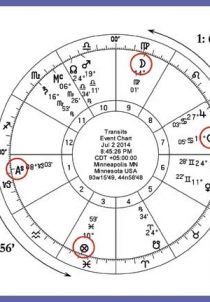
A Traditional Approach to Lots
This workshop presents rules and numerous example charts for 6 Lots (“Arabic Parts”) useful in natal interpretation: the Lots of the father, mother, children, marriage, friends, and work/action. No previous knowledge of Lots or allegiance to traditional methods is assumed. See longer description below. Contains: MP3 and slides. Length: 2:50:00, 78MB.
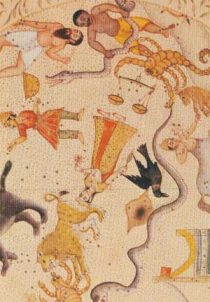
Signs and Houses – AFA 2011 Lecture
This lecture from the highly successful AFA 2011 Conference in Arizona combines material on signs, dignities, house classifications, aversions, and interpretation. Much of this will be new to purchasers of other lectures, but it is valuable to beginners in traditional astrology. Length 1:15:00, 36MB.